

Streamlining Subcontractor Prequalification with AI
How ChatGPT's Deep Research Capabilities Can Transform Your Preconstruction Process


Growing a construction business into new geographies is exciting but comes with significant challenges. Perhaps the most daunting is finding reliable subcontractors when you have no established network or history with local trades. How do you verify their capabilities, safety record, and financial stability without previous experience working together?
Traditional methods of subcontractor prequalification are time-consuming and often rely on incomplete information. Companies typically spend weeks gathering data, making phone calls, checking references, and still end up with knowledge gaps. These challenges can lead to suboptimal selections, increased project risk, and potentially serious consequences if an unqualified subcontractor is brought onto a project.
Leveraging AI for Comprehensive Subcontractor Analysis
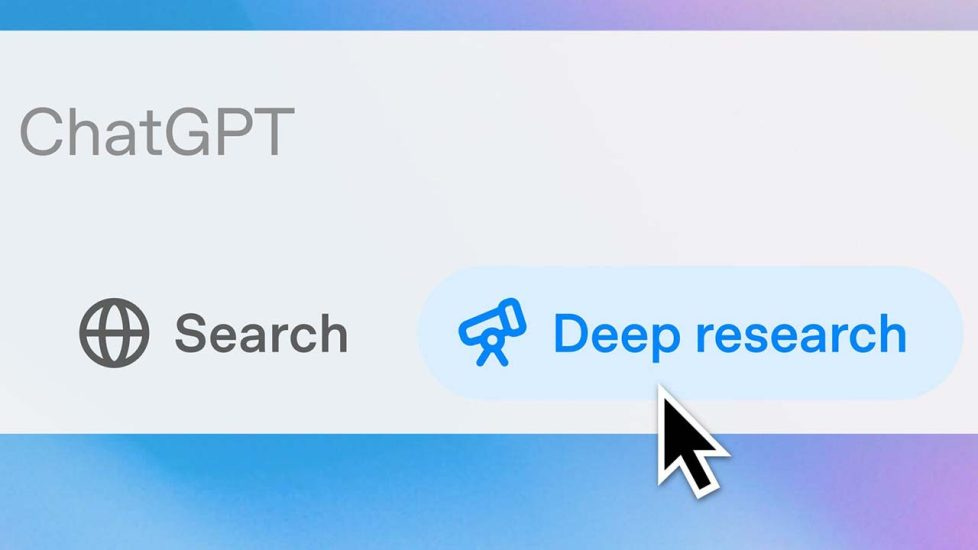
ChatGPT with its Deep Research functionality offers a powerful solution. By using a well-crafted prompt, you can rapidly generate comprehensive, publicly-sourced analyses on potential subcontractors - essentially creating a virtual preconstruction analyst.
Here's a detailed prompt template I've developed:
Goal: Conduct a detailed, publicly sourced prequalification and preconstruction analysis on a subcontractor or specialty contractor. The objective is to assess their Safety and Financial standing, along with their overall capability and suitability for the type of project they are being considered for.
Format: Structure the report with clear headers and include data tables where appropriate. Organize the content using the following sections:

Company Overview & Industry Standing
Company name, year founded, HQ location
Workforce size and regions served
Revenue (last 2–3 years if available)
Industry rankings (ENR, EC&M, etc.)
Specialty markets or notable characteristics

Safety Performance
EMR (Experience Modification Rate)
OSHA TRIR, Lost Time Rate, DART (with industry comparisons)
OSHA citations (last 10 years, if any)
Participation in safety programs (ABC STEP, ISO, etc.)
Safety training, leadership programs, awards
Any serious incidents or fatalities on record

Financial Stability
Revenue trends and scale of operations
Bonding capacity (single/aggregate if publicly known)
Dun & Bradstreet scores, Paydex rating, credit signals
Legal proceedings, bankruptcies, payment disputes, liens
General reputation for payment reliability and financial health

Relevant Project Experience
Key completed projects relevant to the project type under consideration
Details on project size, scope, value, and complexity
Any special requirements (e.g. phased work, technical systems, coordination with ongoing operations)
Relevant capabilities and differentiators
Testimonials or repeat work with similar clients or project types

Summary & Risk Assessment
Overall risk rating: Low / Medium / High
Strengths and key differentiators
Potential concerns or risk flags
Suitability for the specified project type
Recommendation for next steps (e.g. shortlist, request more information, do not proceed)

Warnings: Use only publicly available and verifiable sources (OSHA.gov, D&B, ENR, company websites, court records, etc.). Do not make up data. Cite statistics and facts where possible. Be clear when stating assumptions vs. known facts. Keep tone professional and objective — you are reporting to a prequalification team.

Context: You are a construction preconstruction and risk analyst at a general contractor. Your team is evaluating a potential subcontractor for an upcoming project. The findings will help determine whether the company meets internal safety, financial, and performance standards required to be prequalified.

Company to be analyzed: [INSERT COMPANY NAME]
Project Type Being Considered: [INSERT PROJECT TYPE]
Example Scenario
Let's make this concrete: You're a preconstruction manager at an Atlanta-based general contractor that just landed its first project outside Georgia—a complex healthcare renovation in Dallas. With no established trade relationships in Texas, you need to quickly develop a qualified bidders list without the local market knowledge you rely on back home.
You identify potential subcontractors through basic research
For each company, you run the prompt template in ChatGPT, specifying "[Insert Electrical Contractor Name]" and "Healthcare Renovation Project"
Within 15-30 minutes, you receive a detailed analysis for the subcontractor
You repeat this process for 5-6 major players in each critical trade (electrical, mechanical, plumbing, drywall, etc.)
Based on these reports, you quickly identify which firms have healthcare experience, strong safety records, and financial stability
In just a few hours, you've built a comprehensive, data-driven understanding of Dallas's subcontractor landscape that would have taken weeks using traditional methods—positioning your team to make informed decisions despite being new to the market.
Best Practices
To get the most from this approach to prequalification, consider these best practices:
Verify critical data points - While AI research is impressive, always double-check key information by consulting primary sources
Supplement with direct communication - Use the AI analysis as a foundation, then follow up with targeted questions to subcontractors based on what you've learned
Update your information regularly - Company situations change; refresh your analyses periodically, especially before major projects
Document your process - Create a standard operating procedure for how AI tools are used in your prequalification workflow
Combine with human judgment - AI provides useful publicly available information, but final decisions should incorporate human experience and judgment
Other Use Cases Beyond Prequalification
ChatGPT's Deep Research capability opens up powerful new possibilities for preconstruction professionals far beyond subcontractor vetting. You can leverage this same technology-driven approach to transform numerous critical aspects of your preconstruction process, including:
Market analysis - Research new geographic markets you're considering entering
Project team composition - Analyze the collective strengths and weaknesses of your project team
Competitive intelligence - Gather insights on other general contractors in the market
Owner research - Evaluate potential clients before pursuing opportunities
In future articles, I'll provide detailed breakdowns and specific prompts for each of these applications, showing you exactly how to do comprehensive market analysis, project team optimization, competitive intelligence gathering, and client due diligence.
Conclusion:
We all know prequalification is paramount before signing up subcontractors to a project, and it needs to be reviewed frequently as things can change in construction quickly. On projects that use Subcontractor Default Insurance (SDI), it's crucial that subcontractors are vetted through a formal process. Comprehensive prequalification creates documentation that can prove critical during SDI claims, demonstrating your due diligence in subcontractor selection, which can potentially strengthen your position with insurers and reduce friction during the claims process.
You don't need to feel stuck in the mud if you're expanding to new geographies. You can gather insight from publicly available information very quickly with ChatGPT's Deep Research tool and get started with your due diligence. This approach allows you to systematically identify potential red flags across financial stability, safety records, and relevant experience for multiple subcontractors simultaneously. For general contractors working under SDI programs in unfamiliar markets, this combination of broader analysis and deeper insight directly protects your bottom line while accelerating your expansion capabilities.
How is your company handling subcontractor prequalification in new markets? Have you explored using AI tools to enhance your preconstruction process? Share your experiences in the comments below, or reach out to discuss how these approaches might be tailored to your specific needs.
Bookmarking this 🙌
Thanks, Ryan.